Bodily Fluid Cleanup
Bodily fluid cleanup removes fluids and disinfects affected areas in businesses, homes and care settings.
See bodily fluid cleanupGet urine stains and odor removed from floors, subfloors, furniture and personal property in Richfield. Cleanup finds hidden saturation, treats recoverable surfaces and removes materials that cannot be restored.
Urine cleanup covers an inspection for contamination, its removal from property and building materials, and treatment for lingering odor. Flooring, furniture, walls, subfloor, personal possessions and surrounding areas are included in that evaluation.
A small, fresh spot on a sealed surface may need only prompt household cleaning. Professional cleanup becomes useful when urine has soaked into carpet, wood, grout, drywall or upholstery, when the source is unknown, or when repeated contamination has left a strong odor. These conditions are common in rentals, vacant homes, care situations, hoarding cleanup and properties affected by incontinence. Every situation is checked on its own conditions.
Removing the source, rather than covering its odor, is the goal. Technicians examine the space, trace smells and discoloration through absorbent layers, sort salvageable belongings from materials requiring removal, and match the cleaning product to the surface. When feces, blood or another bodily fluid is present with urine, biohazard remediation, hazardous waste disposal and protective equipment may be necessary too.
Your insurance company may use organized photographs, disposal records and notes on damaged materials as insurance assistance, as may your landlord or property manager.
You hear what can be cleaned, what may need removal and what changes the scope before the cleanup process moves forward. Any serious health concern should also be explained by cleanup crews in clear, simple terms.
In homes, workplaces, rentals and care settings, privacy is maintained with unmarked vehicles and a protected affected area.
You are consulted about furniture, records, keepsakes and other possessions from your household or loved ones prior to any disposal choice.
Hidden or widespread urine, repeated incidents and contamination mixed with other waste are the cases most likely to require a professional cleaning service. Common examples include:
Clutter may conceal contaminated materials, old marks and lingering smells throughout several rooms, which means the entire process requires orderly progression.
Carpet and padding may become soaked from continued incontinence or an unmet care need before you can see the whole affected area.
Stronger controls are necessary when fecal material is present with urine, along with careful removal of affected porous materials.
Floor coverings, subfloors and furnishings in a vacant home may stay contaminated well beyond removal of the apparent source.
Begin by keeping contact limited and stopping additional damage. To avoid carrying residue from the affected space into clean areas, follow these steps:
Call (888) 440-9227Published cost guides do not show a range specifically for urine cleanup. The nearest related entry, small blood or fluid cleanup, is listed from $500 through $2,500. Another published range for blood cleanup extends from $300 through $4,000. Use these only as planning references, not as urine cleanup pricing. The actual scope reflects which materials and how many rooms are affected, plus whether odor entered walls or subfloor.
The figures shown are national ranges from published cost guides and are not based on an on-site visit. After an on-site assessment, the price for your property is determined and shared with you before cleanup begins.
Ask about cost: (888) 440-9227Whether insurance applies depends on the policy, the reason for the contamination and whether damage was sudden or gradual. Each decision is based on that event and the policy terms. When circumstances allow, have your insurance company examine both ahead of the work.
Your lease terms, area rules and the cause of the problem may determine payment responsibility. Property owners and tenants should document the condition before damaged materials are removed.
Your policy may apply different terms to an abrupt event than to recurring or extended contamination. Ask your insurance company about cause coverage, record requirements and the deductible that applies.
Homeowners or renters insurance, the estate or the property owner usually pays for this kind of cleanup. The Wisconsin crime victim compensation program helps only when a crime caused the loss. Because assistance may be limited to contamination connected with a qualifying crime, check your eligibility directly with the program.
Confirm which records are required, including possible photos, lists of items, moisture findings, disposal paperwork and the cleanup scope. Keep the claim number and the adjuster's instructions together.
The urine remediation process follows the contamination from the visible surface into the layers below it. Cleanup involves checking each material, removing residue and confirming that odor sources are not left behind. Every step is adjusted to the amount of urine and whether other hazardous materials are present.
Cleanup crews inspect the affected rooms, ask about the source and duration, and look for stains, moisture damage and odor beyond the obvious spot.
The work zone is kept separate from clean rooms. Site conditions determine the protective equipment used, with particular care when other bodily fluids are present.
To find the full path of the liquid, the cleanup team checks seams, floor edges, wall lines and the bases of furnishings.
Deeply saturated particleboard, carpet pad, unsealed wood and similar material may need removal when the contamination is beyond cleaning reach.
After cleaning residue from salvageable surfaces, the crew applies a treatment compatible with the urine and surface type. The required contact time and label instructions guide use.
Treatment reaches odor at its origin in seams, gaps, grout or the subfloor instead of relying on added fragrance. Air movement may support drying and air quality.
The treated space receives another inspection once it is dry. If odor remains, an affected hidden layer may need additional work.
Once suitable restoration services replace any removed floor covering, baseboard, padding or subfloor section after cleanup, your repairs can move forward.
Call at any time. A specialist in urine cleanup takes your call, explains each step and agrees on a start time with you.
Human urine is not considered a regulated biohazard in every case. Professional attention may still be needed when older or extensive contamination leaves the environment unhealthy.
Liquid can remain under the surface in drywall, particleboard, raw wood, carpet and padding. Wiping the surface quickly may not remove odor or contamination.
More serious health risks can result when urine contains blood or feces, requiring protective gear, containment and waste disposal beyond what a minor sealed-floor spot needs.
When you cannot see blood in urine, OSHA Bloodborne Pathogens Standard guidance does not treat it as blood. Take more care when you suspect feces, blood, an infectious illness or another bodily fluid.
Can you clean it yourself? Wear disposable gloves for a small recent spot on a non-porous sealed surface, then absorb the fluid, clean the material and follow the precise label instructions for a suitable disinfectant. Consider professional cleanup for urine that saturates porous items, affects a broad area, returns repeatedly or is combined with feces, blood or sharps.
Recoverable materials are kept when the contamination can be reached completely. Porous materials soaked well below the surface may require removal, since cleaning the top cannot address urine held inside.
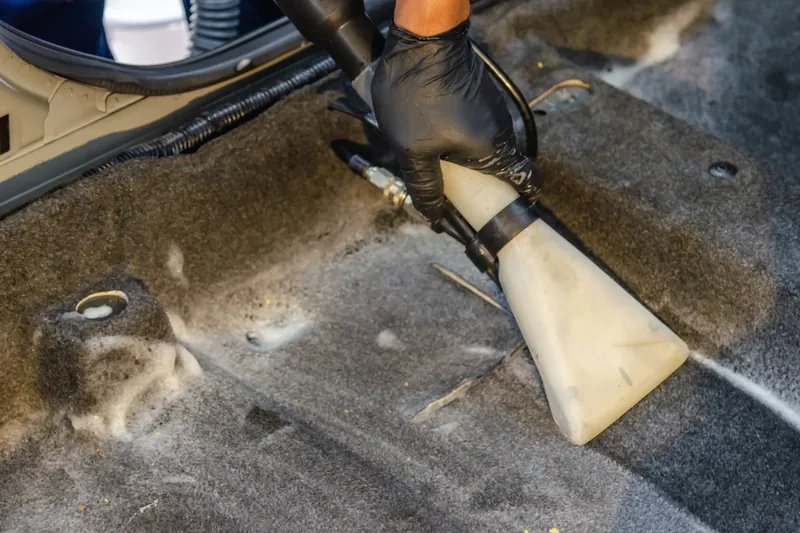
Limited contamination on the surface may be cleaned during part of a day, but recurring saturation in carpet, several rooms or subfloor requires more time. The final duration follows an inspection of the impacted layers because damaged-material removal, drying and odor checks can extend the work.
| Scene | Typical time on site |
|---|---|
| Limited contamination on a nonporous surface | Often part of one workday |
| One room with carpet and pad affected | Commonly one to two workdays with extra drying time |
| Several rooms or subfloor removal | Often several workdays, plus restoration |
Effective urine odor removal begins with locating all layers reached by contamination. A coat of paint, fragrance or surface spray might conceal the smell for a short time. It can come back while urine remains in grout, carpet padding, subfloor, furniture fill or along wall edges. With recurring stains, selective material removal may be needed to uncover the whole source.
Treatment suited to each material is applied to surfaces that can be recovered, but only after residue and saturation are addressed. Air movement may be used with filtration and controlled drying to help normalize the room. The dry area is then checked again because moisture can temporarily alter how noticeable an odor is.
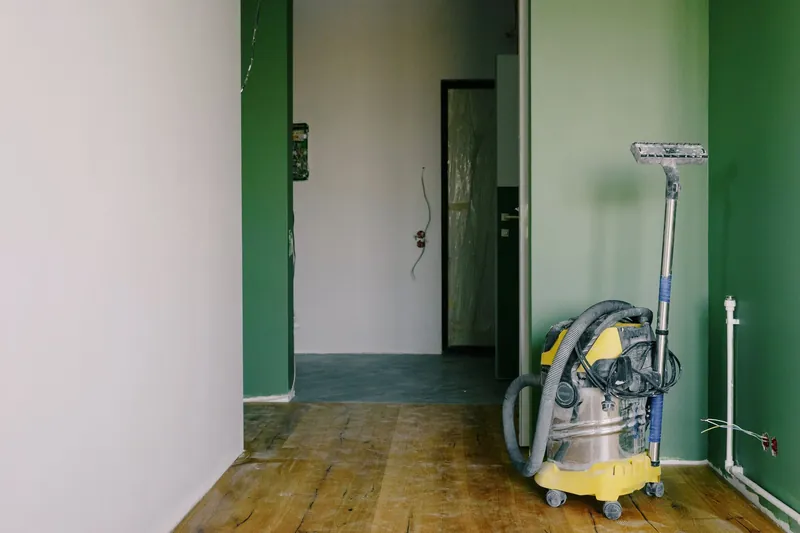
The full urine cleanup guide covers what is cleaned or removed, odor and air quality work, and the rules that apply in Wisconsin and Washington County.
Read the full urine cleanup guideLocal housing, population and access details can shape containment, access and cleanup planning.
In an area with 2.8% renter occupancy, direct homeowner approval can simplify choices about opening walls or replacing affected finishes.
Local housing has a median build year of 1991, so cleanup should protect intact finishes while removing materials that cannot be disinfected.
The local senior population includes 295 people living alone, and any cleanup in a home like theirs calls for discreet, respectful planning.
In an area with 99.2% single-family housing, sewage or fluids may reach lower levels through stairs, drains, and utility openings.
You can ask about cleanup in nearby communities and ZIP codes during the call.
Bodily fluid cleanup removes fluids and disinfects affected areas in businesses, homes and care settings.
See bodily fluid cleanup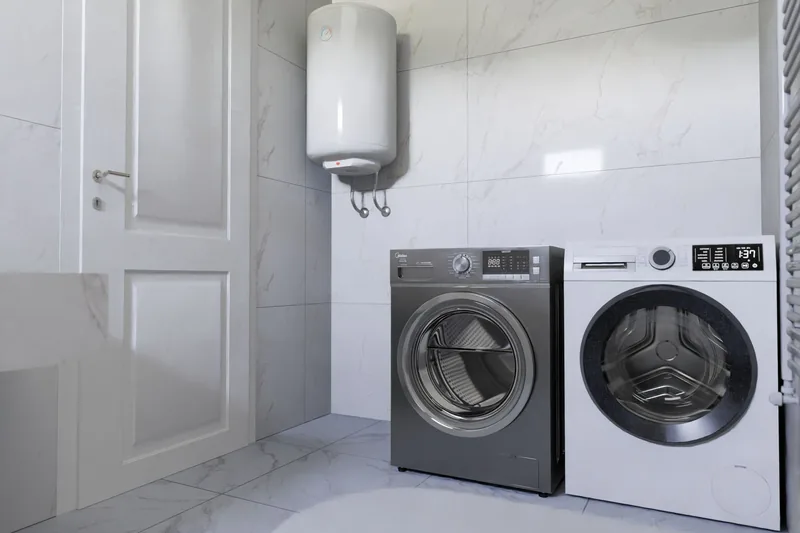
Rentals, residences and public bathrooms receive human feces cleanup and disinfection.
See human feces cleanup
Biohazard carpet and upholstery cleaning, or safe removal when needed.
See biohazard carpet and upholstery cleaning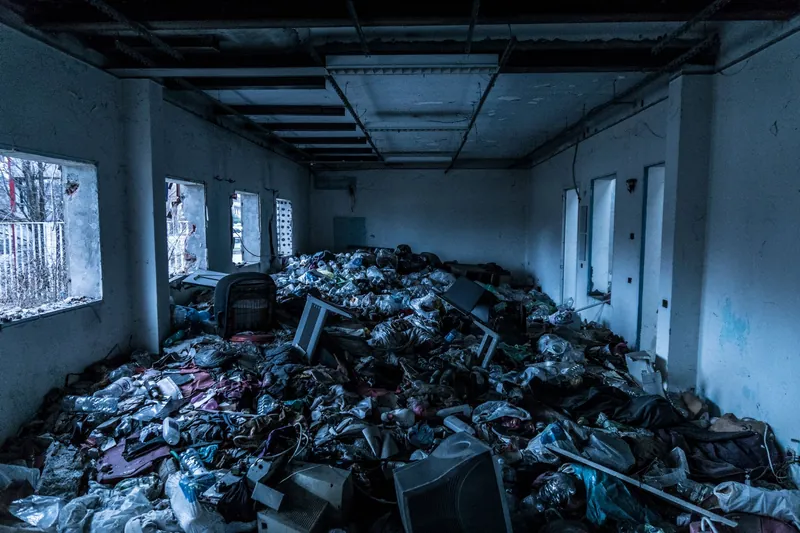
Respectful sorting, item removal and deep cleaning are included in hoarding cleanup.
See hoarding cleanup
Filth and squalor cleanup for homes that have become unsafe to live in.
See filth and squalor cleanup
Rental property biohazard cleanup covers hotels and Airbnb units as well as rentals.
See hotel, airbnb and rental biohazard cleanup
After exposure or injury, workplace biohazard cleanup covers offices and other work sites.
See office and workplace biohazard cleanup
Raw sewage cleanup of Category 3 black water, with disinfection and drying.
See raw sewage cleanupYour nose, throat and eyes can become irritated by heavy urine odor, with closed rooms creating particular concern. If irritation, nausea, coughing or headache begins, move away from the affected area. Never combine cleaning chemicals in an attempt to remove odor. You get more reliable odor control by finding and removing its origin instead of covering the smell with perfume.
Coverage varies with what caused the damage and how your policy is written. Sudden damage may be treated differently from repeated contamination or poor maintenance. Before anyone removes affected flooring or additional materials, tell your insurance company what occurred and confirm exclusions, documentation requirements and your deductible.
Urine without visible blood is not automatically treated as a bloodborne pathogen hazard under OSHA rule 29 CFR 1910.1030. Different precautions apply if an infectious condition may be involved or the urine includes feces or visible blood. Large or old deposits can still create odor, surface damage and an unhealthy indoor environment.
A small surface area may take part of a workday. One carpeted room may take one to two workdays plus drying. A damaged floor layer or contamination across several rooms can extend the schedule when items need to come out and be replaced. The final odor check should happen after treated surfaces have dried.
Consider professional cleanup when urine is combined with blood or feces, reaches multiple rooms, penetrates porous materials, covers a broad area or keeps causing odor. It is also useful when contamination is hidden by clutter, flooring or furniture and you cannot see where the affected area ends.
If residue can be reached completely, furnishings with undamaged hard surfaces may be cleanable. Urine can penetrate deeply, making upholstered material and cushion filling more difficult to clean. Whether an item can stay depends on the material, the depth and age of contamination, and whether treatment can reach every affected layer without damaging the item.
Discreet, respectful urine cleanup, 24 hours a day, with crews in unmarked vehicles.